A Journey Through Symbolic Expression
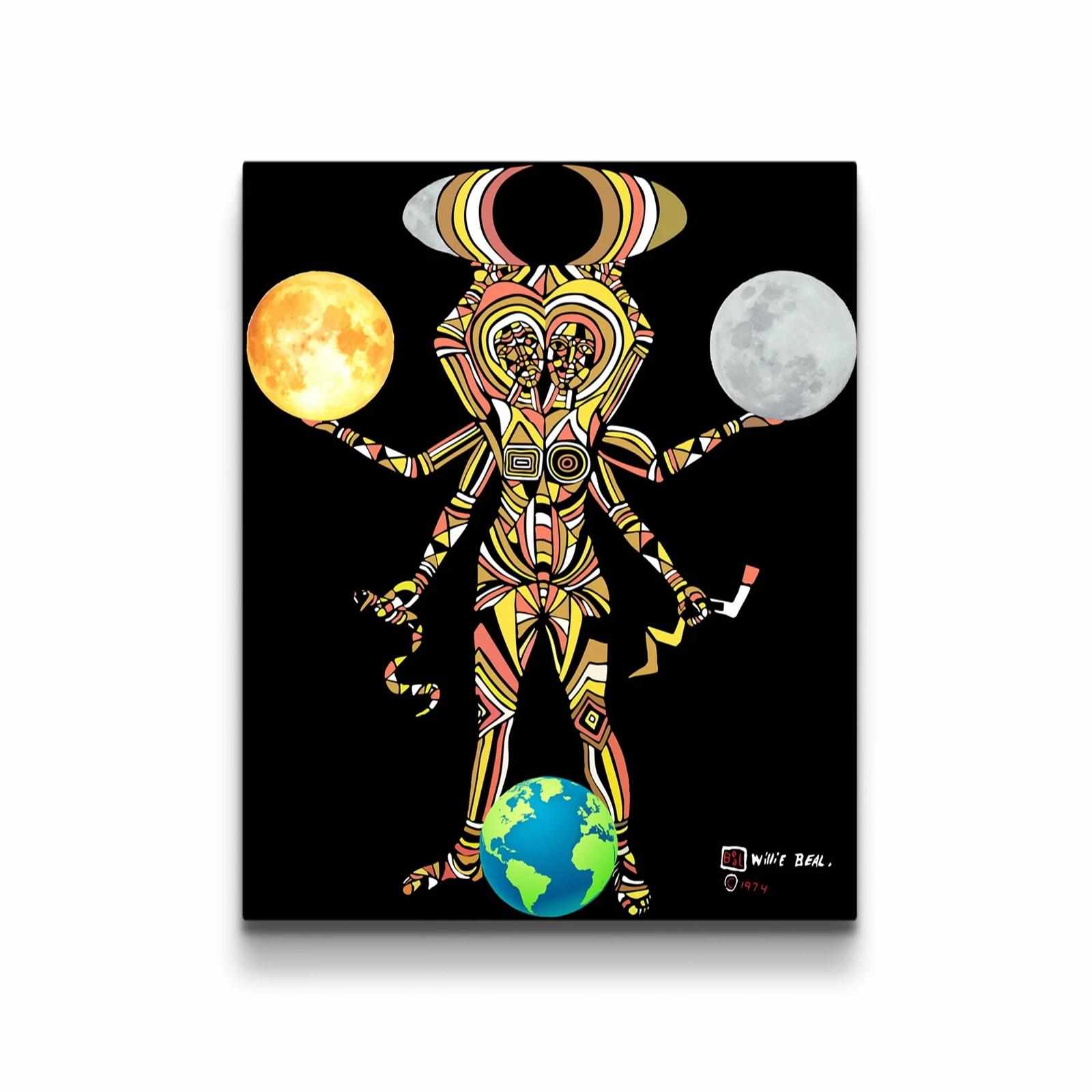
Art has long been a mirror reflecting the human condition, emotions, and struggles. Among the most thought-provoking works are those that explore complex emotions and historical narratives in a visual form. The spiritual anatomy of hate wall stands out as a powerful representation of how deep-seated resentment and societal divisions can be translated into visual language. Through layers of symbolism and intricate detail, such artwork confronts the viewer with uncomfortable truths about human nature, inviting introspection and dialogue on themes that remain relevant across generations.
The Message Within Controversial Themes
In artworks like the spiritual anatomy of hate wall, the layers of meaning go beyond simple visual appeal. This piece encapsulates the anatomy of negative emotions, dissecting the roots of hatred and exploring their cultural, spiritual, and historical origins. Artists who tackle such themes often do so not to glorify them, but to deconstruct and challenge them. By forcing the observer to engage with these emotions, such pieces hold the potential to spark awareness and even change, transforming the gallery space into a forum for critical thinking and emotional reckoning.
Art as a Historical Bridge
Art’s role in preserving history is as important as its emotional impact. Throughout centuries, artists have captured defining moments, legends, and figures, allowing future generations to connect with the past. Works inspired by ancient traditions or legendary rulers serve as both historical documentation and artistic expression. Just as modern art can interpret emotions like hate in a symbolic wall, historical works ground the viewer in cultural heritage. These pieces not only inspire but also educate, making them essential in bridging the gap between the past and the present.
The Symbolism of Royal Representation
The king solomon painting offers a compelling example of historical and symbolic artistry. Known for his wisdom and legendary reign, King Solomon has been depicted in numerous artistic forms, each offering a unique perspective on his life and influence. A king solomon painting often reflects themes of justice, divine guidance, and the complexities of leadership. Such portrayals are more than portraits—they become visual narratives of power, morality, and human decision-making. The artist’s interpretation can reveal layers of meaning that connect spiritual beliefs with political history, making each rendition a valuable cultural artifact.
Timeless Legacy Through Art
Even in contemporary settings, a king solomon painting continues to resonate with audiences. Whether displayed in a museum or a private collection, such artwork invites reflection on values that transcend time. Themes of wisdom, fairness, and moral responsibility remain as relevant today as they were in Solomon’s era. By revisiting these symbols through art, viewers are reminded that history’s greatest lessons often come not from words alone, but from the enduring impact of visual storytelling. These paintings serve as timeless reminders of humanity’s search for meaning and moral direction.
Conclusion: Art as a Window Into the Human Experience
From dissecting the roots of hatred in the spiritual anatomy of hate wall to celebrating wisdom through the king solomon painting, art continues to serve as both a mirror and a bridge—reflecting inner truths while connecting humanity across time. Through powerful imagery and layered symbolism, such works invite contemplation, challenge perspectives, and preserve cultural heritage. Platforms like Artcomcenter.art ensure that these masterpieces remain accessible, allowing audiences to explore the depth of human emotion and the richness of history through a single visual experience.


Write a comment ...